Climate change is the most serious issue ever to have faced humanity. Rightly, it is now high on the public, political, media and business agendas. However, too much of the discussion is still about what we should not be doing or what we should be against. There is not enough discussion or information on solutions – what we can and should do to minimise dangerous climate change, and what should be done to make us not only safer and more secure, but also richer and happier.
read more »
Stephen Tindale’s memorial was held on Saturday 2 September. Nick Butler gave the Eulogy and many of Stephen’s friends and family spoke.
read more »
Hydrogen gas is increasingly discussed as the “fuel for the future” but what are the opportunities and challenges.
read more »
The UK should seek to remain part of the European Internal Energy Market (IEM). This would deliver economic benefits significantly greater than the cost of adherence to regulations and a membership fee.
read more »
Come and join the debate! All profits go to Client Earth
WHEN: MONDAY 20TH MARCH 7:30 PM
WHERE: Nice Green Café and Arts Club, 53 Fortess Rd, London NW5 2AH
read more »
My report on an impressive energy and climate speech from Lib Dem leader Tim Farron which I attended yesterday
read more »
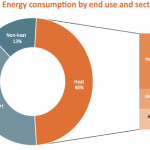
Like the Climate Change Act the Renewable Heat Incentive (RHI) was a world first, showing the UK’s leadership in the decarbonisation sector and the benefits that come with it such as stimulating a new sector, and strengthening security of supply. But has it been successful? Constantly in the news at present, with fears mismanagement of […]
read more »
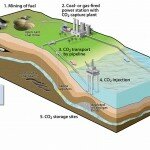
A guest blog by Mark Wilkinson, Senior Lecturer in Geological Carbon Storage at the University of Edinburgh, on Carbon Capture and Storage.
read more »
The low-carbon energy sectors – efficiency, most renewables, CCS and nuclear – should work together more strategically
read more »
Last week the former energy minister Charles Hendry published his review on tidal lagoons (https://hendryreview.wordpress.com/) I am a consultant to Tidal Lagoon Power (TLP), so not disinterested. But I think that anyone reading the report will recognise it as an extensive, evidence-based and therefore serious review. Hendry was in my view a good energy minister […]
read more »
I am submitting evidence as an individual. I have worked on energy issues since 1989, for think tanks (including IPPR), NGOs, government/opposition and energy companies. I am now freelance: 2 days a week I am director of the Alvin Weinberg Foundation (www.the-weinberg-foundation.org), a think tank working on advanced nuclear energy; 1 day a week I […]
read more »